
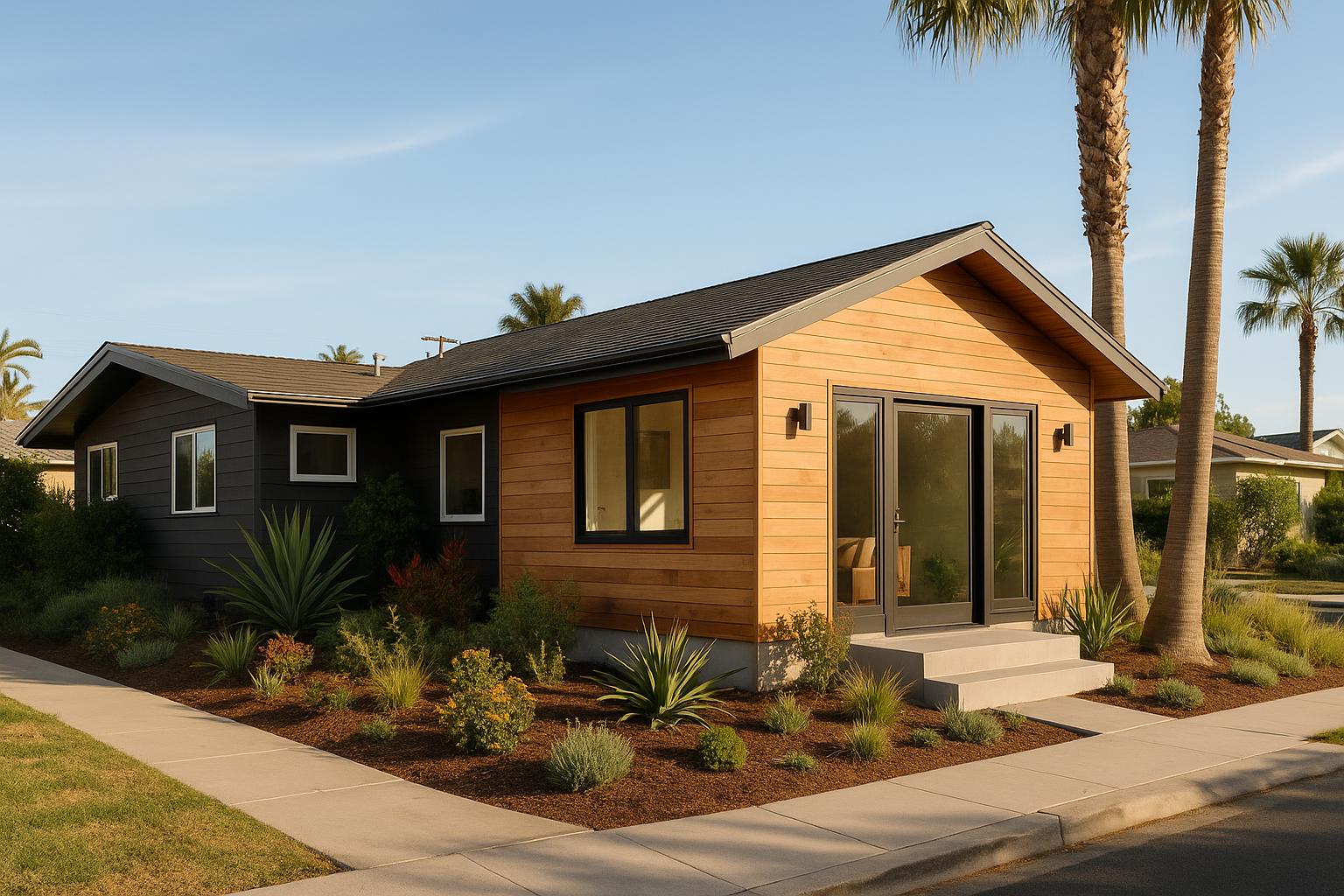
Why Home Additions Are So Popular in La Jolla Right Now
La Jolla homeowners love where they live. The ocean views, the walkable village, the tight-knit neighborhood feel — it's not something you give up easily. So when families outgrow their homes, many choose to build out rather than move out. A well-planned home addition lets you stay in the community you love while gaining the space you actually need.
But here's the reality: home additions are one of the most complex remodeling projects you can take on. They involve structural engineering, city permits, foundation work, and careful integration with your existing home. Without a clear plan, costs spiral, timelines stretch, and stress takes over.
The good news? Most of those headaches are preventable. Here's how to plan a home addition in La Jolla the right way — so you end up with a beautiful result and your sanity intact.
Step 1: Get Clear on What You Actually Need
Before you call a contractor or browse Pinterest, sit down and define the problem you're solving. Are you adding a bedroom for a growing family? Do you need a home office that's actually separate from the living room? Is it a second story to capture ocean views?
Write down your must-haves versus your nice-to-haves. This distinction matters more than you think. When the budget conversation starts — and it will — knowing your priorities keeps the project focused and prevents scope creep.
Common Addition Types We See in La Jolla
- Room additions: Adding a bedroom, family room, or home office to the existing footprint
- Second-story additions: Building up when lot coverage limits prevent building out
- Bump-outs: Expanding an existing room by a few feet — popular for kitchens and primary bathrooms
- In-law suites and ADUs: Self-contained living spaces for extended family or rental income
Step 2: Understand La Jolla's Permitting and Zoning Rules
This is where many homeowners get tripped up. La Jolla falls under the City of San Diego's permitting jurisdiction, and depending on your specific neighborhood, you may also need approval from community planning groups. Homes in the La Jolla Shores Planned District or the La Jolla Community Plan area can face additional design review requirements.
Key things to research early:
- Setback requirements: How close your addition can be to property lines
- Lot coverage limits: The maximum percentage of your lot that structures can occupy
- Height restrictions: Especially relevant for second-story additions near the coast
- Coastal Development Permits: Required for properties within the Coastal Overlay Zone
A knowledgeable local contractor can help you navigate these regulations before you invest in architectural plans that may need to be redrawn. At Highland Home Extensions, we handle permit research and submissions as part of our process because we've seen too many homeowners waste time and money going in blind.
Step 3: Set a Realistic Budget (and Build in a Cushion)
Home additions in the San Diego coastal area typically range from $300 to $500+ per square foot, depending on complexity, finishes, and site conditions. A 400-square-foot addition could run anywhere from $120,000 to $200,000 or more.
Those numbers might cause some sticker shock, but they reflect the reality of building in a high-demand coastal market with strict building codes and quality expectations.
Budget Tips That Actually Help
- Get a ballpark estimate before finalizing designs. There's no point designing a 600-square-foot addition if your budget supports 400. Start with a realistic conversation.
- Set aside 10-15% for contingencies. Older La Jolla homes often reveal surprises once walls are opened — outdated wiring, plumbing that doesn't meet code, or foundation issues.
- Prioritize structural and mechanical upgrades. It's tempting to spend on finishes, but getting the bones right is what protects your investment long-term.
- Consider phasing. Some homeowners complete the structural addition now and upgrade finishes later when budget allows.
Step 4: Choose the Right Contractor (Not Just the Cheapest Bid)
This decision will make or break your project. A home addition isn't like swapping out countertops — it involves foundation work, framing, roofing, electrical, plumbing, HVAC, and making everything look like it was always part of the original home.
When evaluating contractors, look for:
- Local experience: Someone who has built in La Jolla and understands the permitting landscape, soil conditions, and neighborhood expectations
- A clear communication process: How will they keep you updated? Who is your point of contact? What happens when changes arise?
- Detailed proposals: Vague bids lead to vague results. You want line-item pricing and a defined scope of work.
- References you can actually call: Talk to past clients. Ask about timeline accuracy, budget adherence, and how problems were handled.
We always encourage homeowners to interview at least two or three contractors. The right fit isn't always about price — it's about trust, transparency, and a track record of delivering what was promised.
Step 5: Plan for Life During Construction
A home addition typically takes three to six months depending on scope and permitting timelines. That's a significant stretch of living with noise, dust, and workers on your property.
Some practical things to plan for:
- Set up a temporary living arrangement for the rooms most affected. If your kitchen is being expanded, set up a mini kitchen in another room with a microwave, coffee maker, and portable cooktop.
- Communicate with neighbors. Construction trucks and early morning noise are part of the deal. A heads-up goes a long way in maintaining good relationships.
- Establish boundaries with your contractor. Agree on work hours, bathroom access, parking, and site cleanliness expectations upfront.
Step 6: Think Long-Term, Not Just Right Now
A home addition is a significant investment, and the best ones are designed with the future in mind. Think about resale value, even if you don't plan to sell anytime soon. Consider how the addition affects the flow of the entire home, not just the new space. And make sure the exterior blends seamlessly — a mismatched addition can actually hurt your property value.
In La Jolla, where homes carry a premium and buyers are discerning, quality craftsmanship and thoughtful design aren't optional — they're expected.
Ready to Start the Conversation?
If you've been thinking about adding space to your La Jolla home, the best first step is a straightforward conversation about what you need, what's possible on your property, and what it will realistically cost. At Highland Home Extensions, we specialize in helping homeowners navigate exactly this process — from initial planning through final walkthrough. No pressure, no surprises, just honest guidance from a team that builds in this community every day.